What Does Chaga Mushroom Look Like and How Does It Form?
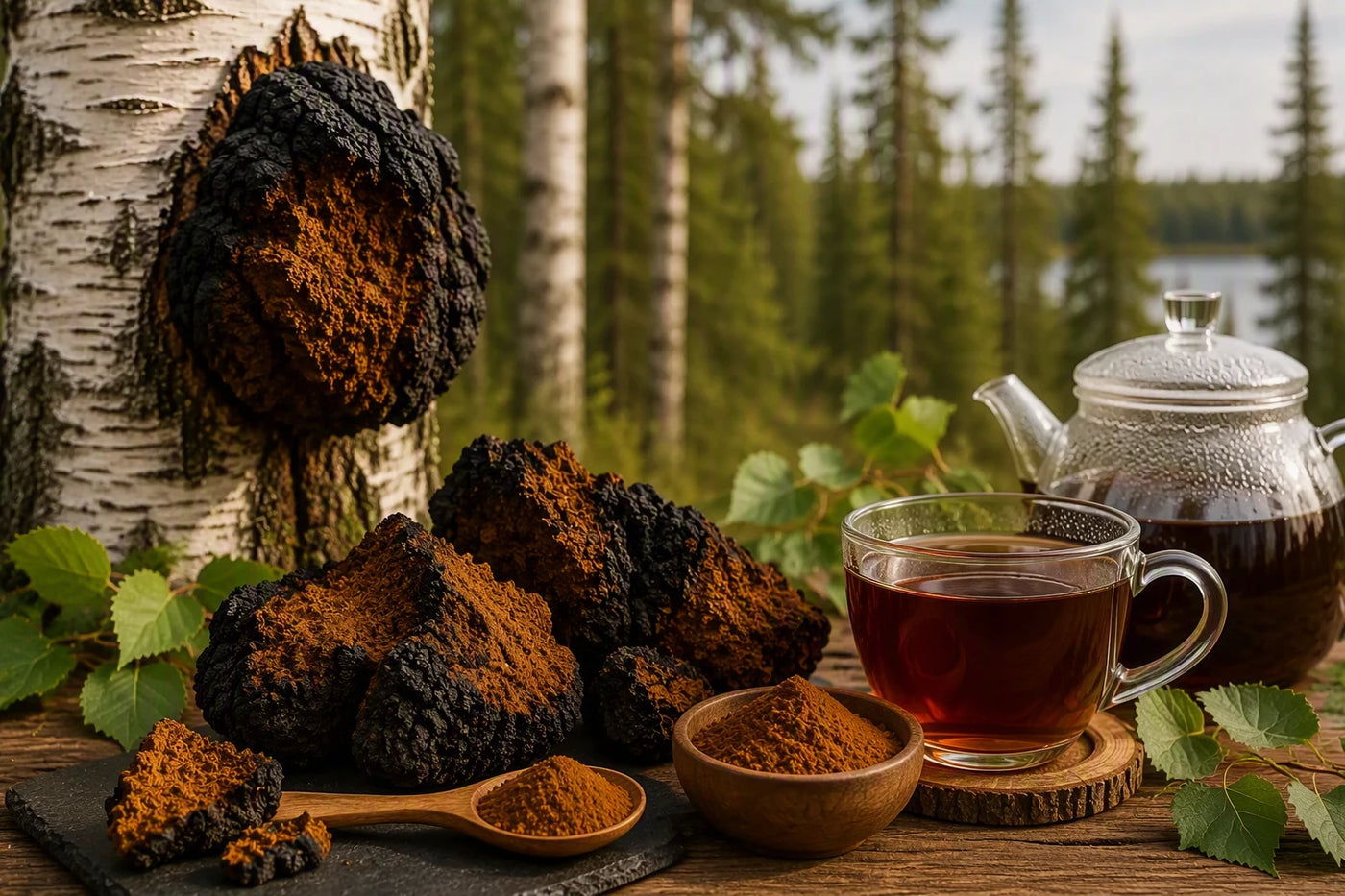
Chaga (Inonotus obliquus) is often described as a sterile conk that forms on living trees—most commonly birch—in cold northern forests. It does not resemble the typical cap‑and‑stem mushrooms most people are familiar with.
 Instead, chaga appears as a rugged, charcoal‑black growth on the outside, with a warm rust‑orange interior when harvested properly.
Because of its unusual appearance and lifecycle, many people misunderstand what chaga actually is. Explore our Chaga Myths & Misconceptions guide to learn more about common misunderstandings surrounding chaga, fruiting bodies, and fungal biology or visit our Chaga Identification Guide to learn how to identify chaga in the wild.
Where Does Chaga Grow?
Chaga grows primarily on birch trees in cold northern forests such as Canada, Russia, and Northern Europe. Environment, host tree health, and harvesting practices all influence quality and sustainability.
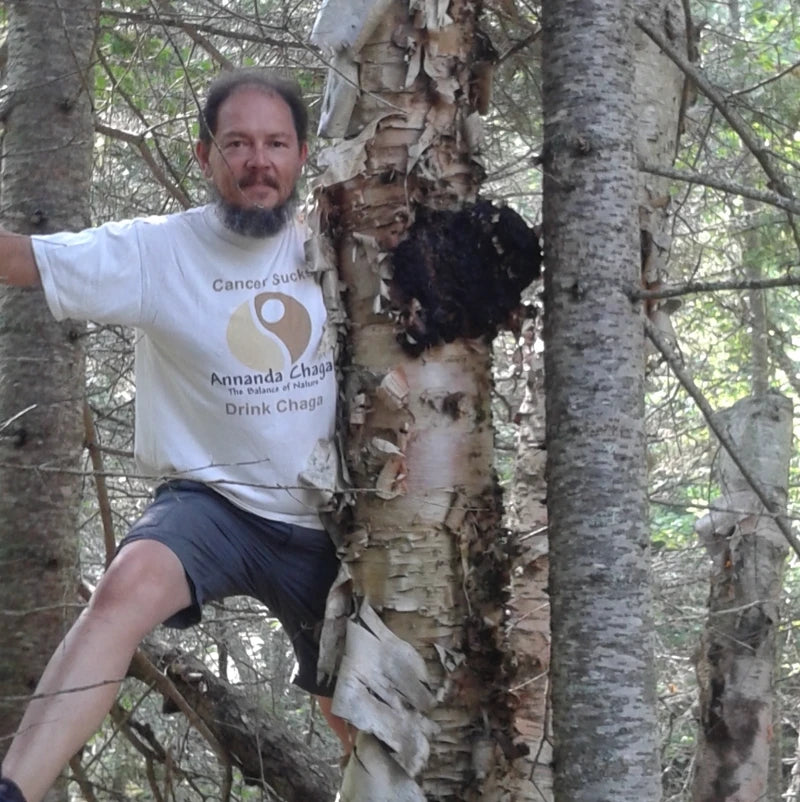
Chaga is most commonly associated with paper birch and yellow birch trees throughout Canada's boreal forest.
Wild chaga from Northwestern Ontario reflects these natural growing conditions. You can learn more about sourcing differences in our guide to wild vs. cultivated chaga.
Why Is Chaga Called the King of Mushrooms?
Chaga is often referred to as the "King of Mushrooms" because of its unusual appearance, slow growth, and long-standing importance in northern forest traditions.

Unlike many mushrooms that grow and disappear within a season, chaga develops gradually over many years on living birch trees in cold northern forests. Its distinctive black exterior, deep connection to birch, and traditional use as a slow-prepared forest brew have helped make it one of the most recognized fungi in the world.
Today, the phrase "King of Mushrooms" is commonly used to describe chaga's unique place among forest fungi and its enduring cultural significance in regions where it has been traditionally prepared for generations.
Understanding Chaga Benefits Many people first discover chaga by searching for terms such as chaga benefits, benefits of chaga tea, chaga mushroom benefits, and what chaga is used for.
Explore our Chaga Benefits Guide to learn about traditional preparation methods, naturally occurring compounds found in chaga, and ongoing scientific interest surrounding this unique birch-growing fungus.
What is Chaga Used For?
Chaga has traditionally been prepared as a slow-brewed forest decoction, particularly in northern regions where birch forests are common. Today, it is most commonly enjoyed as chaga tea, though it is also available as powder, chunks, and liquid extracts.
People commonly search for terms such as "chaga benefits," "what is chaga good for," and "what is chaga used for." To explore the traditional use of chaga, naturally occurring compounds found in chaga, and ongoing scientific interest surrounding this birch-growing fungus, visit our Chaga Benefits Guide.
People typically explore chaga in several ways:
- Brewing chaga tea using traditional simmering methods
- Learning about its historical and cultural use
- Incorporating chaga into daily routines as a slow-prepared beverage
- Preparing chaga as chunks, powder, or liquid extracts
To learn how chaga is prepared, explore:
While chaga is often discussed in terms of benefits, understanding how it has traditionally been prepared and used provides a more complete picture.
Why People Are Interested In Chaga Today
Chaga is not explored because of quick effects or bold promises. Interest in chaga has grown for deeper, slower reasons.
Chaga is often discussed in terms of what people describe as chaga benefits, but at Annanda we believe it is better understood through its ecology, history, and traditional preparation.
Historically, chaga drew attention because of its long relationship with birch forests, its unusual form, and its place in traditional preparation practices throughout northern regions.
Today, curiosity around chaga tends to center on:
- Its unique composition as a birch‑associated fungus
- Its traditional preparation as a slow decoction, not a fast tea
- The presence of naturally occurring compounds examined in modern research
- Its slow growth in cold northern environments, unlike cultivated mushrooms
Many of these topics are commonly discussed under the umbrella of "chaga benefits." Explore our comprehensive guide to Chaga Benefits to learn more about traditional use, naturally occurring compounds, and the reasons chaga continues to attract interest today.
Rather than being valued for what it claims to “do,” chaga is better understood through what it is, where it grows, how it is prepared, and the traditions that surround it.
How to Use Chaga (Brewing Basics)
Chaga is most commonly prepared as a tea using a slow, low-temperature brewing method. Rather than a quick infusion, chaga is traditionally simmered over time to create a rich, earthy forest brew.

New to chaga tea?
Explore our guide to How to Make Chaga Tea for step-by-step brewing instructions and traditional preparation methods used in the boreal forest.
Chaga can also be prepared in several forms, including:
- Tea-cut chaga
- Chaga powder
- Chaga chunks
- Liquid extracts and tinctures
To compare preparation methods and choose the format that best suits your routine, see our How to Use Chaga guide.
Choose Your Chaga Form
Chaga is commonly available as tea-cut chaga, powder, chunks, and liquid extracts. The best option depends on how you prefer to prepare and use chaga.

- Chaga Tea (Standard Grind) for everyday brewing
- Chaga Powder for quicker preparation
- Chaga Chunks for traditional long simmering
- Chaga Tincture for convenience
Explore our full collection of wild-harvested Canadian chaga products.
Need help choosing?
For full preparation instructions, brewing methods, and best practices, see our complete guide to chaga tea.
The Annanda Standard: Ethics & Transparency
We don’t just claim quality—we demonstrate it.
- Ethical Harvesting & Boreal Stewardship
- Certificates of Analysis (COAs)
- Certified Organic standards
- Third‑party testing
Where to Buy Chaga in Canada
If you're looking for wild harvested Canadian chaga, explore our selection of sustainably sourced chaga from Northern Ontario.
Core Chaga Guides
Chaga Benefits
Traditional use, naturally occurring compounds, research, and why people continue to explore chaga today.
Chaga Identification Guide
How to identify true birch chaga in the wild
Is Chaga Safe?
Safety considerations, oxalates, and responsible use
Wild vs Cultivated Chaga
Understanding sourcing, cultivation, and harvesting practices
Chaga Myths & Misconceptions
Understanding common misunderstandings about chaga, fruiting bodies, and fungal biology.
Brewing & Preparation
How to Use Chaga
An overview of common preparation methods
Chaga Grind Guide
Understanding chaga grinds and brewing styles
How To Brew Chaga Powder
Preparation methods and everyday use
How To Brew Chaga Chunks
Traditional brewing and reuse guidance
How to Make Chaga Tea
Traditional brewing methods and preparation techniques
Does Chaga Tea Have Caffeine?
Learn whether chaga naturally contains caffeine and how chaga tea differs from coffee.
How to Store Chaga
Storage, freshness, and shelf-life guidance
Compare Chaga
Chaga vs Cordyceps
Comparing two popular functional mushrooms
Chaga vs Reishi
Differences in preparation, sourcing, and traditional use
Chaga vs Lion's Mane
Understanding how these mushrooms differ
Chaga vs Turkey Tail
A comparison of two well-known mushroom species
Additional Resources
Wild Harvesting Chaga in the Canadian Boreal Forest
Watch our harvesting story
ChagapediA
The Annanda Mushroom Encyclopedia
Chaga FAQ
Answers to frequently asked questions about chaga