🇨🇦 Canadian Family Owned & Operated Since 2012

Mix or Match Save up to 35% Off

🚚 Free Shipping Over $75

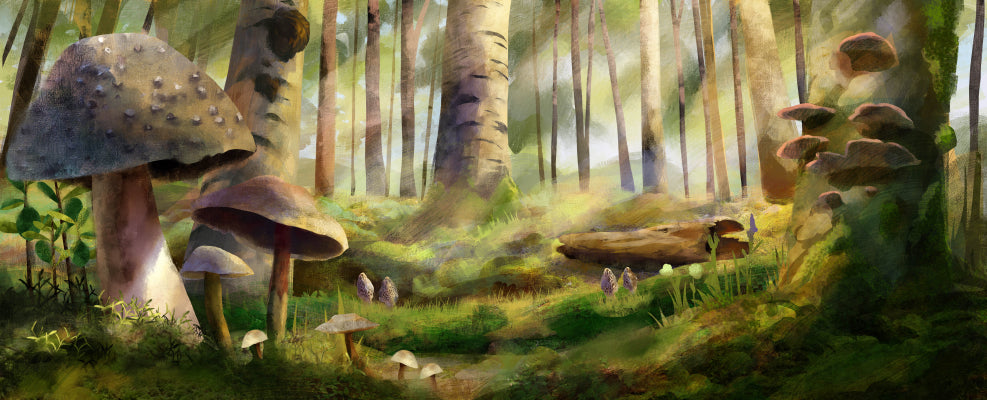
Mushroom forest with tall trees and green grass

Our Sacred Commitment to Ethical Chaga Harvesting

At Annanda Chaga® & Annanda Organics®, harvesting is not extraction — it is a relationship.

A relationship rooted in respect for the Boreal Forest, the Birch trees that sustain it, and the generations who will walk these lands after us.

Our story is shaped by Northern winters, living forests, and long‑held traditions of stewardship in Northwestern Ontario. We do not rush nature, and we do not take more than the forest is willing to offer.

To us, Chaga is not a commodity, It is a gift — one that carries responsibility.

New to chaga? Start with the foundational guide:

Stewardship Before Harvest

We believe the integrity of Chaga is inseparable from the health of the forest it comes from. Every decision we make begins with a simple principle:

The forest must always come first.

We do not farm mushrooms.

We partner with living ecosystems.

Chaga Harvest Season in Ontario

In Ontario, chaga can be harvested year-round. Many foragers prefer late fall through early spring, when trees are dormant and visibility is higher, making chaga easier to spot on birch trees. Ethical harvesting ensures the organism can continue to grow and regenerate over time.

Learn more about proper identification in our:

When to Harvest Chaga

Chaga can be harvested year-round, but many foragers prefer to harvest during colder months when trees are dormant and chaga is easier to see on birch trunks.

Seasonal conditions can influence visibility and access, but responsible harvesting practices remain consistent throughout the year.

🌲 The 70 / 30 Rule

Protecting the Host. Preserving the Future.

Our harvesting practices are guided by long‑term ecological balance, not short‑term yield.

The 70 / 30 Rule

We never remove more than 70% of a Chaga conk, leaving a portion attached to the Birch tree so natural regrowth can continue.

Living Birch Trees Only

Chaga is harvested exclusively from living Birch trees, ensuring the symbiotic relationship between fungus and host is respected and maintained.

Chaga grows on living birch trees, making accurate identification essential before harvesting. See our chaga identification guide for more.

Cambium‑Safe Harvesting

Our trained harvesters remove Chaga carefully to avoid damage to the tree’s cambium layer, allowing the tree to remain healthy throughout its natural life cycle.

Maturity Matters

Only mature Chaga formations are selected. Younger growth is left untouched so it can continue developing naturally for future generations.

“We do not harvest for today alone.

We harvest so the forest can continue to teach, provide, and endure.”

How to Harvest Chaga

Chaga should be harvested carefully using a clean tool to remove only a portion of the conk, leaving part attached to the birch tree. Harvesting is done in a way that avoids damage to the tree and allows the chaga to continue growing over time.

Certified Organic & Audited Wild Stewardship

Our commitment to ethical harvesting is independently verified.

  • Certified Organic by Ecocert Canada
  • Wild‑harvested in pristine Northern forests
  • No chemicals, pesticides, or synthetic inputs
  • Harvest sites located away from urban or industrial impact

Certification ensures that our practices are not only philosophical — they are audited, accountable, and transparent.

Why the Boreal Forest Matters

We harvest exclusively in the Canadian Boreal Forest, one of the world’s most intact forest ecosystems.

Here, Chaga grows slowly under extreme seasonal conditions, shaped by:

  • Long winters
  • Subzero temperatures
  • Short, intense growing seasons

This environment fosters patience, resilience, and balance — qualities we believe should guide how humans interact with wild foods.

Chaga grows almost exclusively on living birch trees in Northern climates. Learn how to recognize chaga on birch in our chaga identification guide.


Saying No to Overharvesting

As interest in Chaga has grown, so too has pressure on forests.

We have chosen a different path.

  • We do not harvest indiscriminately
  • We do not pursue maximum volume
  • We do not participate in clear‑cut or destructive sourcing
  • We do not supply industrial extraction models that compromise forest health

Our harvests are intentionally limited to ensure sustainability over profit.


Sustainable Chaga Harvesting

Sustainable chaga harvesting focuses on protecting the long-term health of birch trees and forest ecosystems. This includes harvesting only a portion of each conk, selecting mature growth, and avoiding overharvesting in any single area.


Knowledge Shared, Not Exploited

Education plays a central role in stewardship.

We openly support:

  • Responsible species identification
  • Ethical harvesting awareness
  • Protection of Birch trees and fungal habitats
  • Long‑term forest conservation

Sharing knowledge helps prevent misuse, misidentification, and ecological damage — and strengthens respect for the forest as a living system.


Rooted in Ontario 🇨🇦

Annanda Chaga is proudly based in Sault Ste. Marie, Ontario, and deeply connected to the surrounding Boreal landscape.

We actively engage with:

  • Ecological and agricultural communities
  • Mycology and herbal education networks
  • Sustainability‑focused organizations in Ontario and beyond

Our stewardship is local, hands‑on, and grounded in lived relationship with the land.


A Commitment That Limits Us — By Design

Because we honor the forest’s natural pace, our harvests are limited by choice.

This means:

  • Seasonal availability
  • Smaller batches
  • Thoughtful sourcing decisions

It also means the forest remains intact, resilient, and alive.

By choosing Annanda Chaga, you support:

  • Ethical wild harvesting
  • Certified organic stewardship
  • Long‑term forest protection
  • A slower, more respectful relationship with nature

Closing Stewardship Note

Stewardship is not a marketing claim.

It is a daily practice of restraint, respect, and responsibility.

Thank you for choosing a path that honors the forest’s natural rhythm — and helps protect these wild spaces for generations to come.

Stewardship note: Identification and harvesting guidance is shared to support responsible, sustainable practices.

Updated: May 2026